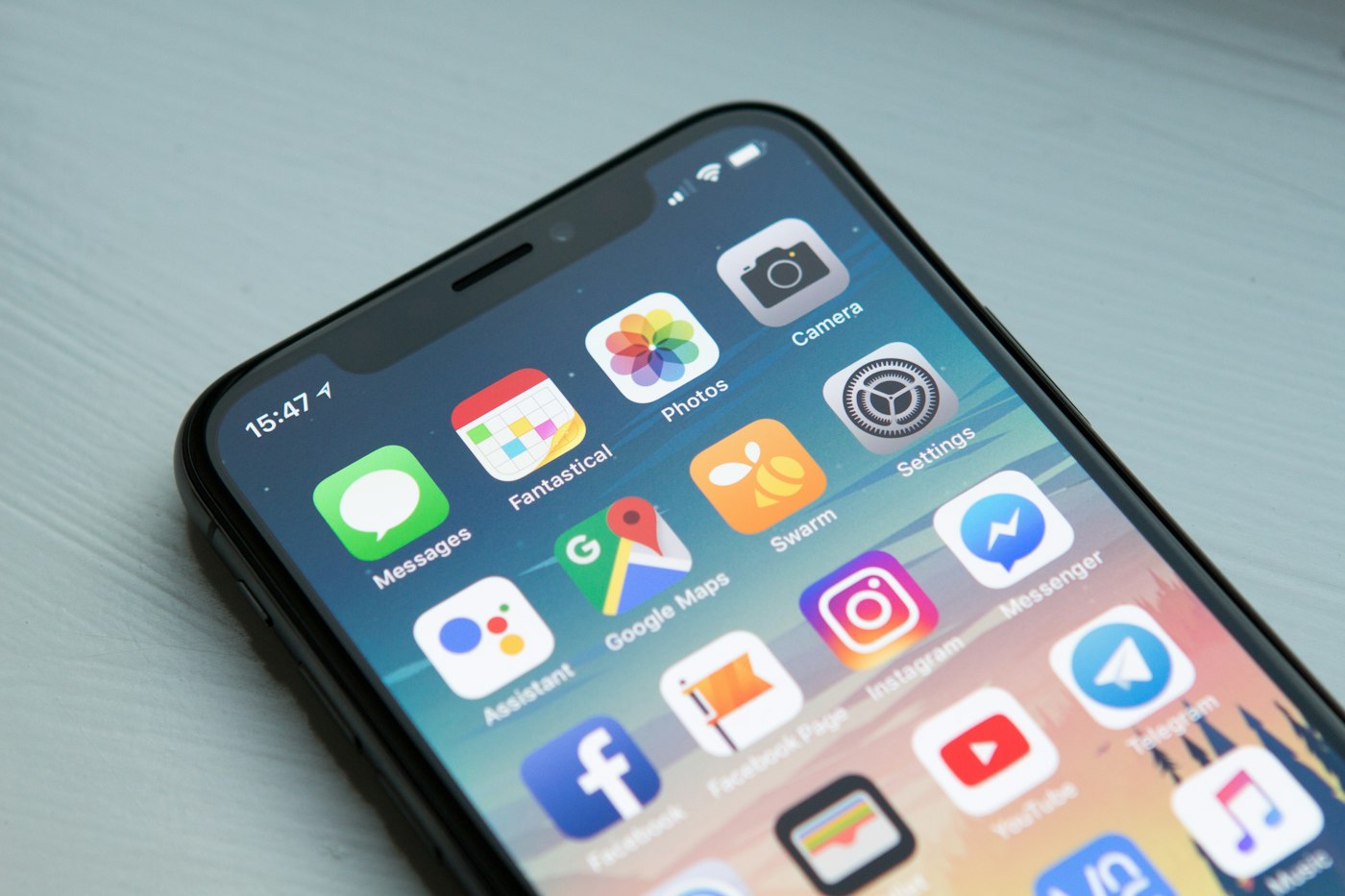
The Mobile Reality
In 2026, over 70% of web traffic comes from mobile devices. If your website doesn't work perfectly on a phone, you're losing the majority of potential customers.
What Is Mobile-First Design?
Design for the Smallest Screen First
Instead of designing for desktop and then squishing it to fit mobile, start with the mobile experience and scale up. This ensures the core experience works everywhere.
Touch-Friendly Navigation
Buttons need to be at least 44px tall. Navigation should be thumb-reachable. Forms should be simple and easy to fill on a small screen.
Performance Is Key
Mobile users often have slower connections. Every kilobyte counts. Optimize images, minimize code, and prioritize above-the-fold content.
Key Principles
Mobile-first design isn't just about responsive layouts. It's a philosophy:
- Content first, decoration second
- Fast loading is non-negotiable
- Simplify navigation to essentials
- Make CTAs prominent and tappable
- Test on real devices, not just emulators
Testing Your Mobile Experience
Use Google's Mobile-Friendly Test, check your PageSpeed Insights score, and most importantly — use your website on your own phone. If something frustrates you, it frustrates your visitors too.
The best mobile experiences feel native — fast, fluid, and intuitive. That's the standard your website should meet.
Conclusion
Mobile-first isn't optional in 2026. If your website doesn't deliver an excellent mobile experience, you're leaving money on the table.